Learning Programme
Hemoglobinopathies: Thalassemia’s & Sickle Cell Disease
Last updated: February 2026
Programme information
Hemoglobinopathies: Thalassemia’s & Sickle Cell Disease
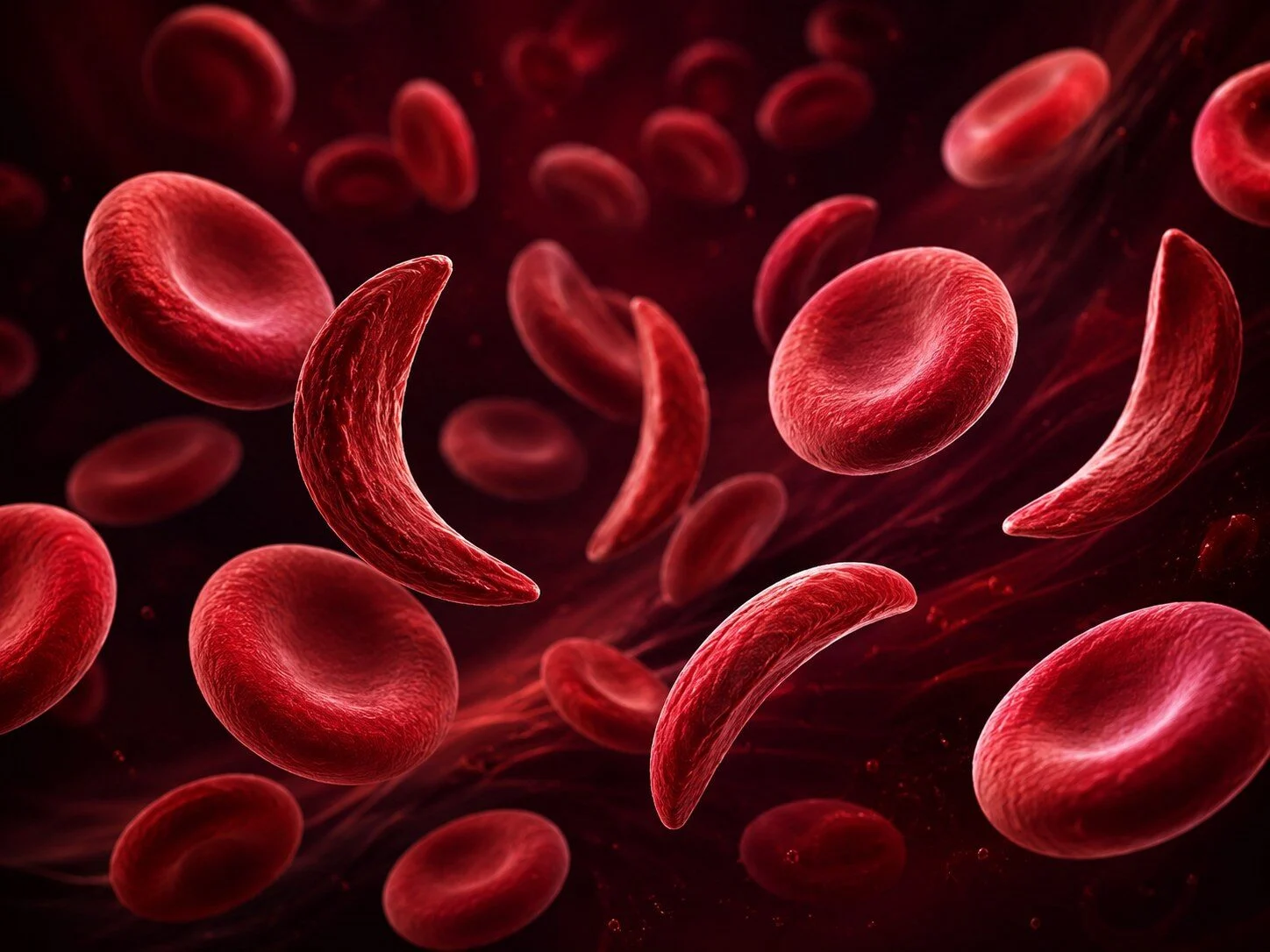
Hemoglobinopathies are among the most common inherited blood disorders worldwide, with signifi cant implications for patients, families, and healthcare systems. Thalassemia’s and sickle cell disease represent the two most clinically relevant groups, each associated with lifelong challenges such as chronic anemia, organ complications, and complex treatment pathways.
This program has been created by a faculty of specialist nurses, haematologists/oncologists, and patient advocates, with the goal of providing healthcare professionals with the knowledge and tools necessary to support patients living with these conditions. Topics include:
• Understanding the pathophysiology and genetic basis of thalassemias and sickle cell disease.
• Evidence-based approaches to treatment, including transfusion support, iron chelation and new disease-modifying therapies.
• Curative and emerging options such as stem cell transplantation and gene therapy.
The crucial role of nurses and allied health professionals in education, monitoring, psychosocial support, and coordinated multidisciplinary care. As with all our resources, this learning program emphasizes the multidisciplinary team approach to care. Nurses, other allied health professionals, and patient organizations play an
essential role in ensuring both immediate and long-term needs of patients and their families are addressed.
On behalf of the faculty and the Haematology Nurses and Healthcare Professionals Group who developed this program, we hope this resource will support you in your practice and enhance the care you provide to individuals and families affected by thalassemia and sickle cell disease.
Hämoglobinopathien: Thalassämie & Sichelzellkrankheit
Hämoglobinopathien zählen zu den weltweit am häufi gsten auftretenden erblichen Blutkrankheiten mit signifikanten Auswirkungen auf Patienten, Angehörige und
Gesundheitssysteme. Die Thalassämie und die Sichelzellkrankheit stehen für die beiden klinisch relevantesten Gruppen dieser Erkrankungen und sind jeweils mit lebenslangen Herausforderungen wie chronischer Anämie, Organkomplikationen und komplexen Behandlungspfaden assoziiert.
Dieses Programm wurde von einer Fakultät aus Pfl egefachkräften, Hämatologen/Onkologen und Patientenfürsprechern mit dem Ziel erarbeitet, Fachkräfte des
Gesundheitswesens mit dem nötigen Wissen und den Hilfsmitteln auszustatten, um Patienten, die mit diesen Erkrankungen leben, unterstützen zu können. Folgende Themen werden behandelt:
• Verstehen der Pathophysiologie und der genetischen Grundlagen von Thalassämie und Sichelzellkrankheit
• Evidenzbasierte Behandlungsansätze, einschließlich Transfusionsunterstützung, Eisenchelat-Therapie und neuer krankheitsmodifizierender Therapien
• Kurative und neuartige Optionen wie Stammzelltransplantation und Gentherapie
Die entscheidende Rolle von Pfl egekräften und verbundenen Fachkräften des Gesundheitswesens bei Aufklärung, Überwachung, psychosozialer Unterstützung und
koordinierter multidisziplinärer Versorgung
Wie alle unsere Ressourcen betont auch dieses Lernprogramm die multidisziplinäre Herangehensweise als Team an die Versorgung.
Pflegekräfte, andere verbundene Fachkräfte des Gesundheitswesens und Patientenorganisationen spielen eine entscheidende Rolle, wenn es darum geht, die
unmittelbaren und langfristigen Bedürfnisse von Patienten und ihren Angehörigen zu erfüllen.
Im Namen der Fakultät und der Haematology Nurses and Healthcare Professionals Group, die dieses Programm entwickelt haben, hoffen wir, dass diese Ressource Sie in Ihrer Praxis unterstützen und dazu beitragen wird, die Versorgung, die Sie für von Thalassämie und Sichelzellkrankheit Betroffene und deren Angehörige bereitstellen, zu verbessern.
Hémoglobinopathies: Thalassémies et drépanocytose
Les hémoglobinopathies sont parmi les maladies du sang héréditaires les plus courantes dans le monde, avec des implications significatives pour les patients, les familles et les systèmes de santé. Les thalassémies et la drépanocytose représentent les deux groupes les plus pertinents d’un point de vue clinique, chacun étant associé à des défis à vie, tels que l’anémie chronique, les complications organiques et les voies de traitement complexes.
Ce programme a été créé par une équipe d’infirmiers spécialisés, d’hématologues/ oncologues et de défenseurs des patients, dans le but de fournir aux professionnels de santé les connaissances et les outils nécessaires pour soutenir les patients atteints de ces maladies. Les thèmes abordés sont les suivants :
• Comprendre la physiopathologie et la base génétique des thalassémies et de la drépanocytose.
• Approches thérapeutiques fondées sur des données probantes, notamment le soutien transfusionnel, la chélation du fer et les nouvelles thérapies modificatrices de la maladie.
• Options curatives et émergentes, telles que la greffe de cellules souches et la thérapie génique.
Le rôle crucial des infirmiers et des autres professionnels de santé dans l’éducation, le suivi, le soutien psychosocial et la coordination des soins multidisciplinaires.
Comme toutes nos ressources, ce programme d’apprentissage met l’accent sur l’approche des soins par une équipe multidisciplinaire.
Les infirmiers, les autres professionnels de santé et les associations de patients jouent un rôle essentiel en veillant à ce que les besoins immédiats et à long terme des patients et de leurs familles soient pris en compte.
Emoglobinopatie: Talassemia e anemia falciforme
Le emoglobinopatie sono tra le malattie ematiche ereditarie più diffuse al mondo, con conseguenze significative per i pazienti, le famiglie e i sistemi sanitari. La talassemia e l‘anemia falciforme rappresentano i due gruppi clinicamente più rilevanti, ciascuno associato a sfi de permanenti quali anemia cronica, complicanze organiche e percorsi terapeutici complessi.
Questo programma è stato creato da un corpo accademico di infermieri specialisti, ematologi/oncologi e rappresentanti dei pazienti, con l‘obiettivo di fornire agli
operatori sanitari le conoscenze e gli strumenti necessari per assistere i pazienti affetti da queste patologie. Gli argomenti trattati includono:
• Comprendere la fi siopatologia e le basi genetiche delle talassemie e dell‘anemia falciforme.
• Approcci terapeutici basati su prove scientifi che, tra cui supporto trasfusionale, chelazione del ferro e nuove terapie modificanti il decorso della malattia.
• Opzioni terapeutiche e emergenti quali il trapianto di cellule staminali e la terapia genica.
Il ruolo cruciale degli infermieri e degli operatori sanitari ausiliari nell‘educazione, nel monitoraggio, nel supporto psicosociale e nell‘assistenza multidisciplinare coordinata.
Come tutte le nostre risorse, anche questo programma di formazione pone l‘accento sull‘approccio multidisciplinare alla cura.
Gli infermieri, gli altri professionisti sanitari e le associazioni di pazienti svolgono un ruolo essenziale nel garantire che vengano soddisfatte sia le esigenze immediate che quelle a lungo termine dei pazienti e delle loro famiglie.
A nome del corpo accademico e del gruppo Haematology Nurses and Healthcare Professionals che ha elaborato questo programma, ci auguriamo che questa risorsa Le sia di supporto nella Sua pratica e migliori l‘assistenza che fornisce alle persone e alle famiglie affette da talassemia e anemia falciforme
Emoglobinopatie: Talassemia e anemia falciforme
Las hemoglobinopatías se encuentran entre los trastornos sanguíneos hereditarios más comunes en todo el mundo y tienen importantes repercusiones para los pacientes, las familias y los sistemas sanitarios. La talasemia y la enfermedad de células falciformes representan los dos grupos más relevantes desde el punto de vista clínico, cada uno de ellos asociado a retos de por vida como la anemia crónica, las complicaciones orgánicas y las complejas vías de tratamiento.
Este programa ha sido creado por un equipo de enfermería especializado, hematólogos/ oncólogos y defensores de los pacientes, con el objetivo de proporcionar a los profesionales sanitarios los conocimientos y las herramientas necesarios para apoyar a los pacientes que viven con estas enfermedades. Los temas incluyen:
• Comprensión de la fisiopatología y las bases genéticas de las talasemias y la enfermedad de células falciformes.
• Enfoques del tratamiento basados en la evidencia, incluido el apoyo transfusional, la quelación del hierro y las nuevas terapias modificadoras de la enfermedad.
• Opciones curativas y emergentes como el trasplante de células madre y la terapia génica.
El papel crucial del personal de enfermería y otros profesionales sanitarios en la educación, el seguimiento, el apoyo psicosocial y la atención multidisciplinar coordinada.
Como todos nuestros recursos, este programa de aprendizaje hace hincapié en el enfoque multidisciplinar del equipo de atención.
El personal de enfermería, otros profesionales sanitarios afines y las organizaciones de pacientes desempeñan un papel esencial a la hora de garantizar que se atiendan las necesidades inmediatas y a largo plazo de los pacientes y sus familias